
Author Archives: Jeremy Albelda
Murcia: arts, culture and beautiful architecture
If you’ve never been to Murcia before, it’s worth checking out this year. Not only is it one of the biggest cities in Spain, with over half a million residents, it’s also brimming over with architectural, artistic and cultural delights. Situated just inland from the south-eastern coast of Spain, it is renowned for its friendly climate with long hot summers, temperate winters and infrequent rain (less than 30 cm throughout the whole year). If you’re looking for hot sun and plenty of it, July and August are typically very hot and dry months while October and November are rather wetter. For those who prefer cooler weather, December through to March is often both mild and dry. Apart from its inviting climate, Murcia is also full of wonderful buildings in the baroque style and visitors can immerse themselves in the history, arts, culture and beautiful architecture of the Murcia region
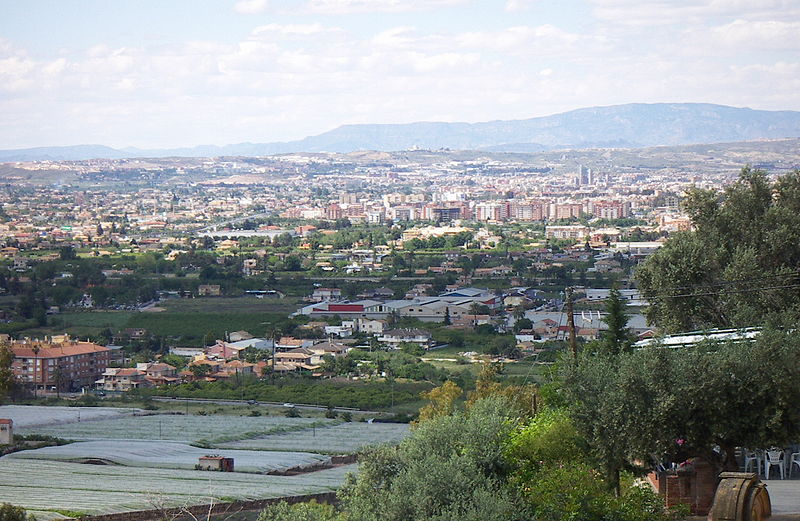
Beautiful Architecture
The River Segura runs through Murcia and it is spanned by a number of noteworthy bridges ranging from eighteenth century through to the twentieth century. But further away, the real show-stealer is the ancient Roman Aqueduct of Segovia which is a world heritage site. Although it is a rather lengthy eight-hour round trip, it is worth hiring a car in order to experience this piece of ancient architecture which is still in very good condition. Experts have estimated its age to be two-thousand years old and it is a breathtaking monument which you will not want to miss. Back in town, along with the twelfth-century Castle Monteagudo, Murcia Cathedral was built in the twelfth and thirteenth centuries and is famous for its varied architecture. This stunning building includes architectural features ranging from Castilian Gothic through to Spanish Baroque, along with Renaissance, Neoclassical and Rococo accents.
Culture
The area is very well-known for its various festivals and during Holy Week, Murcia hosts a traditional procession which is one of Spain’s best-loved festivals. The local museums house a number of Francisco Salzillo’s enormous sculptures and these are paraded through the streets in a re-enactment of Christ’s route to his crucifixion. As well as the life-sized statues, this stately procession also features hundreds of flowers and candles. A week later, watch out for the Orchard Parade when residents dress in historic rural dress. There is also an international Three Cultures festival in May which showcases the cultural contributions made by the Christian, Jewish and Muslim communities that have lived together for hundreds of years.
Arts
There are also plenty of art-related activities in the area and Murcia turns itself over to music towards the end of July. In San Javier, against the backdrop of the Mar Menor lagoon, there is an annual jazz festival which celebrates music from the artists of yesteryear with tributes to legendary pianists and saxophonists. In the nearby Caragena, there is a global music event, La Mar de Musicas, which features music from a different country each year when internationally-renowned musicians appear. Murcia is also known for its museums and galleries and there have been enormous investments in arts centres in the region. For those interested in more historic art, the Murcia Museum of Fine Arts is worth visiting to see the impressive art collections which date from medieval times. On the other hand, if you have more modern tastes, spend some time in the Sala Verónicas which is a former church, or in the reinvented canning factory, La Conservera, which showcase installations from international artists and sculptors.
Getting there and getting around
Getting to Murcia is relatively easy and there is a choice of international airports, including Murcia Airport and nearby Alicante Airport. The area is well-served by a good range of public transport. For those who wish to explore the area and make the most of the surrounding countryside, mountain and coastal areas, there are also rental cars available from Car Hire Murcia Airport.
So, whether you’re planning an extended visit or a short break, Murcia is guaranteed to provide a unique combination of historic culture and modern entertainment to suit the needs of international visitors.
Macau: Like Las Vegas but…Better!
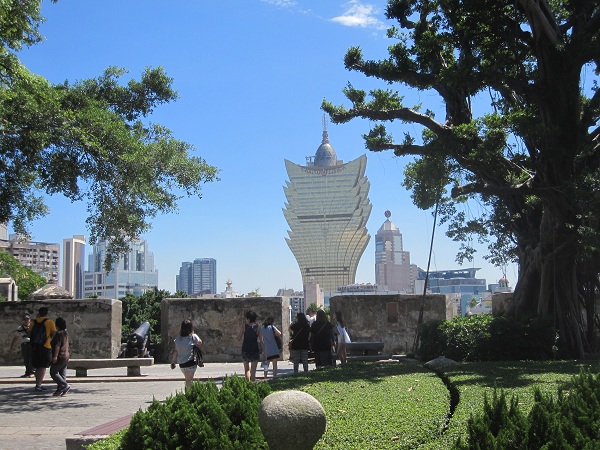
The West has Las Vegas. The East has Macau. Vegas’s hotels are found on the “Strip.” Macau’s hotels are found on the “islands.” Las Vegas takes in $6.2 billion annually. Macau takes in nearly four times that amount ($25 billion). If Las Vegas is the “kid sister” of the World when it comes to gambling, then Macau is surely the big brother of the East, and it is all grown up now.
Similar to Hong Kong, Macau is what is known as an “administrative” area in China. It’s not really outside of the country, but it’s not really inside either, which makes it the perfect spot to serve as an international gambling haven.
It works geographically as well. Macau is a peninsula, which means it is near-surrounded by water (and in recent past it was actually still an island.) So, there is no shortage of beachfront property on which to erect some of the world’s most luxurious resorts and hotels.
In short, Macau is like Las Vegas…but better.
Staying
The Macau Peninsula is home to a number of noteworthy hotels, mostly built by the same management responsible for the stunning casino-resorts that line the Strip in Vegas—but with a grandiosity that makes the Nevada gaming counterpart look like a total dump.
For example, the Venetian Macau, a cavernous triumph of architecture, is not only an oversized replica of the version found on the Strip in Vegas, it actually holds the record for the biggest casino gaming floor in the world.
Other hotels in Macau that are also in Vegas include the Wynn and The Hyatt.
The Wynn owner, Steve Wynn, loves Macau so much he has vowed to build a replica of the Las Vegas Strip itself on a pier that connects two of the main islands in Macau. Talk about a direct comparison.
Gambling
One of the truly great aspects about Las Vegas is how cheap it is (in theory). Even if you go absolutely insane the first night and blow all your money at the Tao, you can drink for free and walk the Strip the next night fairly easily.
In Macau, things are a little bit different. There are no deals, there are no sales, and if you’re the type of person who is looking for the minimum bet gaming section, you may be disappointed to find that the minimum bet per hand for table games comes averages out to be around $35-60 USD depending on where you stay.
(Not surprisingly, Macau makes more money from its table games than it does slots, which is the opposite in Vegas.)
With prices like that, you had better hope that your win streak begins quickly or you might find yourself taking out a second mortgage just to make it through that dinner on your second night in Macau!
Entertainment
Similar to gambling, going out in Macau for entertainment is more of an investment than a savings. That said, however, Macau is home to some of the most impressive entertainment shows on earth.
If you have the chance, check out the “Tree of Prosperity” exhibit at the Wynn, whereupon a tree “grows” out of the floor amidst a light show to meet one of the most majestic chandeliers you’ll ever witness majestically hanging above.
If you are more the Cirque de Soleil type, head on over to the Venetian to sit beneath the big top to take in the already infamous “Zaia” show, a spectacular mix of high-wire acrobatics and choreographed dances.
This was a guest post by Simon who is a writer and content specialist…and he’s addicted to being on the front page of anything. A graduate of Dalhousie University, he specializes in using the em dash too often. Currently, Simon rests his typing hands in Vancouver, Canada.
Natural Bristol!
Bristol is a grand city made famous by its rich history as a port and trading hub. It is widely known that in 1837 Bristol born engineer Isambard Kingdom Brunel launched the famous Great Western steamship that was built in the city’s harbour. But as with many other cities, these famous tales often overshadow things that might otherwise take prominence. For example, as well as being a historic and creative city, Bristol has an array of natural attractions including parks, zoos, aquariums, botanical gardens and more. Check out some of these enjoyable nature activities in Bristol!
University of Bristol Botanical Gardens

The University of Bristol’s botanical gardens were opened in 1882 by Adolf Leipner – the Lecturer of Botany at the time – for a mere £15. Since then the gardens have seen many thousands of visitors every year and continue to thrive. With four impressive plant collections and a further four greenhouses filled with tropical and sub-tropical plants, there is no shortage of interesting things to see. Opening times from April – September are from 10:00am – 4:30pm and it costs £3.50 to get in at the time of writing. School age kids go free.
Avon Valley Adventure and Wildlife Park

Avon Valley is the perfect place to take the kids during the summer holiday, as there are plenty of attractions and events to fill a whole day (perhaps even two). Attractions include a huge indoor soft play arena, pet’s corner, quad bikes and boat rides. One of the park’s great selling points is that it gets the kids out in the fresh air and away from the television. The main park is open from the 23rd March (opening times are 10:00am – 6:00pm, Mon – Sun). It costs £8.00 for an adult and £7.50 for concessions and children. Kids under 2 go free.
Bristol Aquarium
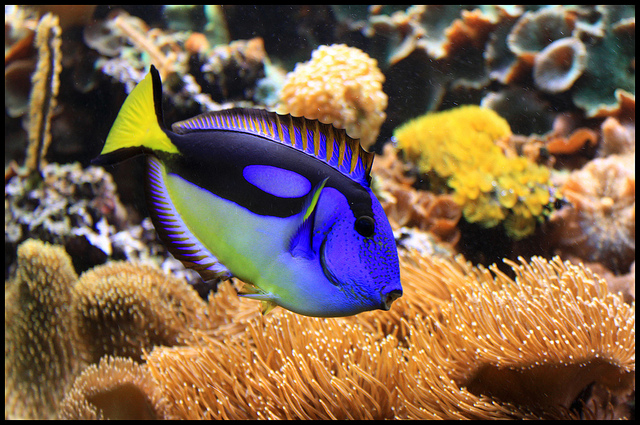
The Bristol Aquarium is home to a wide array of sea life including sharks, rays and a multitude of species that are native to the UK. As if the resident giant octopus wasn’t enough, there is also an underwater tunnel constructed with 2 inch thick glass which houses puffer fish, butterfly fish and wrasse among others. The aquarium opens 7 days a week from 10am – 5pm and a one day adult ticket costs £13.00. Child tickets are £9.00, Senior and Student tickets are £12.00 and family tickets are available for £38.50 (2 adults & 2 children)
If you’re looking for a Bristol hotel, consider staying somewhere quite central, as the city itself is quite big and can be difficult to navigate if you don’t have a car. The Bristol Mercure is very conveniently placed and has the added benefit of a spa to rest your weary body after a day of exploration.
If you haven’t yet, check out our Bristol Travel Guide as well for even more great things to do!
Travel Tip of The Week: Importance of Having a Credit Card for Traveling
While some people might be wary of any type of credit card post the economic crisis a few years ago, having a credit card for traveling is really a necessity this day in age, and something that can offer you financial protection, options for payment and save you money on the road. Read on to see why!
1. So you can rent a car!
When you’re traveling, and especially abroad, there isn’t going to be much holding you accountable to contracts (ya sounds good, right?). You don’t live there and can always just leave and never come back, so why would a car rental company let you take one of their vehicles without some sort of collateral or assurance you can cover the cost of wrecking? With a credit card, they can always charge you if you happen to crash or at least put in a claim which will negatively affect your credit if you don’t pay. Having credit is a way to show that you are responsible and let you rent vehicles, and not to mention many hotels require them as well!
2. So you can avoid ATM charges.
No one likes having to take out cash all the time while traveling because of the big ATM fees that not only the machine charges, but also your bank at home. Thankfully, most countries in Europe and around the world accept credit cards almost everywhere now, and there are some credit cards without foreign transaction fees or currency exchange fees so you can use it just like at home and avoid the ATM as much as possible. Just do a search online to compare credit cards that are best for traveling to make sure you find one that that is available from your home country and that you will qualify for.
3. So you can earn rewards
If you have to spend money anyways, why not use a credit card with rewards to earn points or money for your next big trip! Many credit cards offer either point or cash back systems. If you’re using a point system, you might be able to earn more for flights or hotels, but with cash back, you are a bit more flexible to do whatever you want with your rewards. Don’t forget to use your credit card while traveling for fraud protection and of course to earn a few more of those nice rewards! Just don’t forget to call and set up a travel notification before you leave.
These are just a few reasons why having a credit card while traveling is both important and beneficial. Feel free to comment below if you have any other tips!


 Welcome to Home Town Travel Guides.com , your source for travel guides written by locals and those who've been there and done that! ~Jeremy