
Author Archives: Jeremy Albelda
Tenerife’s Most Beautiful Towns
Tenerife is known the world over as being a fantastic holiday destination for those wanting a break at a cheap and cheerful resort where they can soak up some sun in the daytime and let their hair down in the evening. What you might not know, however, is that this Spanish island also contains a wealth of picturesque villages and towns that are ideal if you are hoping to get away from it all.
Indeed, by heading away from Tenerife’s most touristy resorts you will have the chance to get an authentic experience of local life and come across stunning landmarks and destinations that many tourists just don’t get to see.
Your first step in uncovering the isle’s hidden gems ought to be to book a flight and accommodation (the former being something you can do through low-cost airlines like Monarch). Once you’ve done that, you can focus on discovering some of the following.
Arico
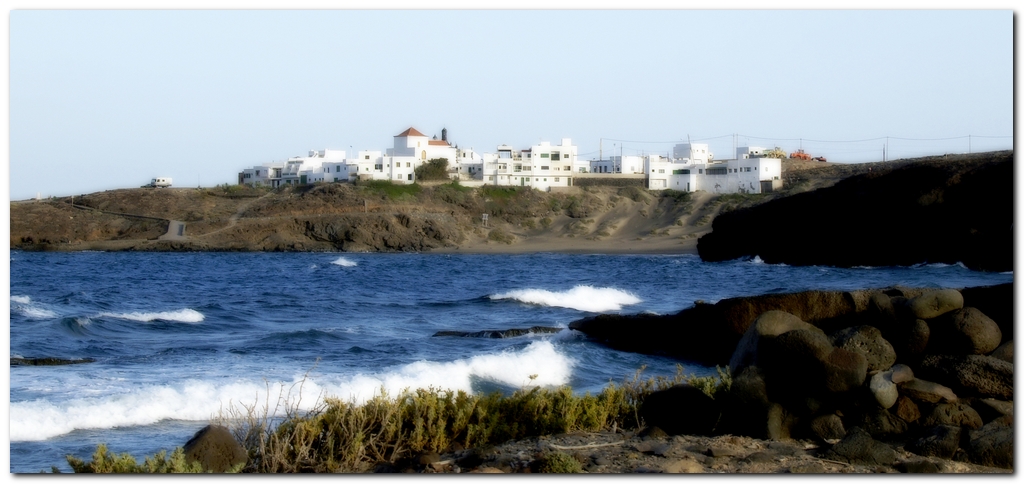
Head to the south of the island and you’ll find the quiet, yet charming, village of Arico, Tenerife. Set in a secluded valley, this settlement is the ideal place to visit if you are hoping to get away from it all and relax.
Although it is much quieter than bustling resorts like Santa Cruz and Costa Adeje, that isn’t to say there’s not plenty to keep you enthralled, with the beaches here providing good conditions for swimming and scuba diving. There is the chance to participate in fun sports such as rock climbing, while swimming pools and tennis courts are also available to use.
Make sure you take the time to go on a walk through the village so that you can appreciate the beauty of its whitewashed buildings. Among the most fascinating landmarks that you’ll get to see is the church and, upon stepping inside, you can take in La Virgin de Tajo y Nino, a precious work of art depicting Jesus and the Virgin Mary that dates back to the 16th century.
El Sauzal
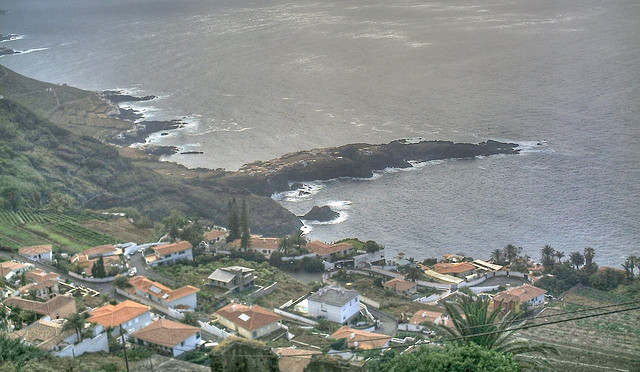
Located on Tenerife’s north-west coastline, El Sauzal is the perfect destination for those who want to enjoy the island’s blissful weather but would prefer to do so in a resort that hasn’t experienced mass commercial development. Agriculture is a key industry for the rural town and, with citrus fruits, vegetables and cereals all grown here, it’s the ideal spot for keen foodies to visit.
Wine is another locally made product and there are a number of vineyards in the vicinity that you can visit to learn more about how the drink is produced – you can even enjoy wine tastings in their cellars! For an even greater insight into the local wine industry, stop by the Casa del Vino la Baranda (wine museum) where you can enjoy some locally-made vintages alongside traditional Canary Island meals at the onsite restaurant.
Chirch
The tiny village of Chirch is another fantastic place to visit if you want to see a quieter side to Tenerife. Come here and you’ll find an array of classic Spanish architecture, while traditional ovens that were once used to make roof tiles can also be spotted.
Head to Chirch’s summit, meanwhile, and you can soak up fantastic panoramic views, with the islands of El Hierro and La Gomera visible on a clear day. On July 10th, the village celebrates the Day of the Traditions festival – a day-long event that sees residents recreate the customs and day-to-day activities of the town in the early 20th century. This affects everything from the games that children play to the domestic chores that are carried out, with everybody wearing traditional attire.
The 5 Best Places for Snorkeling in the Caribbean
For many, snorkeling in the Caribbean’s crystalline turquoise waters and swimming with some of the world’s most fascinating underwater wildlife encompasses the perfect getaway. However, as there are so many incredible snorkeling spots offering a myriad of marine wildlife, choosing where to go can often cause more stress than bliss.
Contrary to popular opinion that snorkeling in the Caribbean can equate to a small fortune, the opportunities are varied and feasible for everyone regardless of budget. Simply by ducking your head under a breaking wave along a sandy beach in Antigua will immerse swimmers an exciting underwater world predominantly occupied by dozens of rainbow fish, turtles and other sea life. Depending on budget, the opportunities are endless and the Caribbean has so much to offer. To find out more click here.
As the majority of the best, unmissable spots in the Caribbean are only accessible by boat, there are numerous snorkeling boat trips across the Caribbean. Regularly taking small groups on a day’s extravagant underwater adventure, tourists are able to explore tropical reefs and inlets. This is particularly popular around the inlets of Tobago Cays or the US Virgin Islands due to the idyllic waters, stunning scenery and exotic wildlife. Here are 5 of the best places for snorkeling in the Caribbean.
St. John, US Virgin Islands
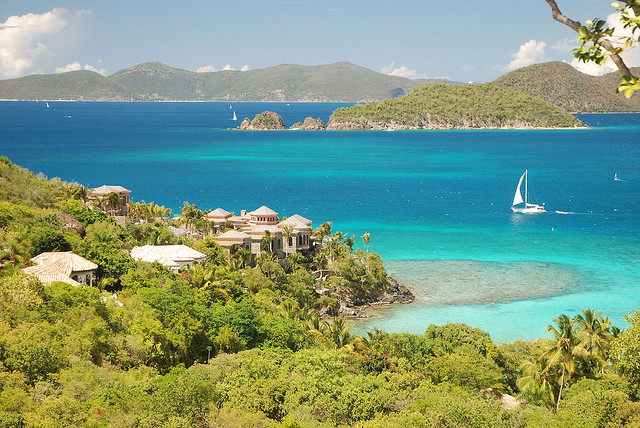
There are many aspects of the Virgin Islands that allure the many thousands of keen swimmers to snorkel along its shores. As the temperature averages around 80 degrees all year round, visitors can take pleasure in St. John’s coral reefs, surrounding themselves with sea urchins, sea turtles and even sharks whilst happily splashing around in the immaculate and clear waters. Throughout St. John, there are numerous spots to snorkel and enjoy an incredible underwater environment. Swimmers can snorkel among the three species of sea turtles or the beautiful parrotfish at Cinnamon Bay.
Bimini, Bahamas
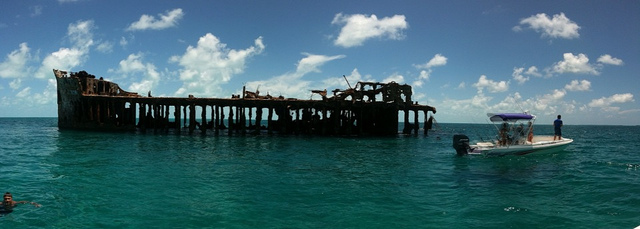
Known as ‘an island in the stream’ the black coral gardens of Bimini are accessible from the beach and attract multitudes of marine wildlife. Only 50 miles from the Florida coast, the coral reef thrives thanks to the Gulf Stream moving northwards bringing with it pods of dolphins, Manta Rays and countless numbers of sea turtles. Consisting of two islands, Bimini boasts some of the most pristine beaches in the world and is also home to the S.S Sapona, a concrete ship that ran aground during a hurricane in 1926. Said to be one of the best wrecks in the Caribbean, the Sapona has become a habitat of its own and is home to many species of marine wildlife.
Champagne, Dominica
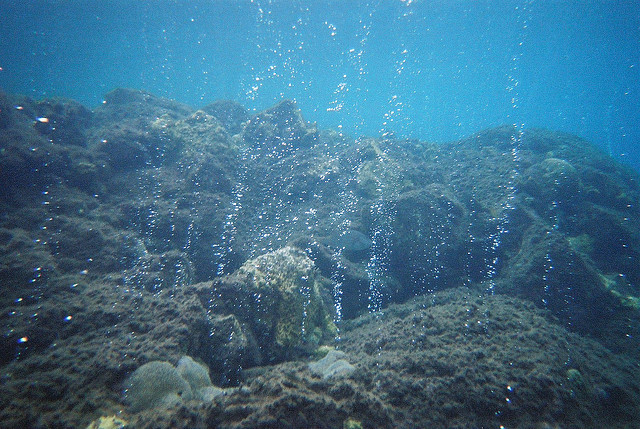
Aptly named due to the bubbles of air that effervesce from the seafloor, Champagne is extremely popular. Well known for its seahorses and frogfish, Champagne is a snorkeling paradise and is guaranteed to be a highlight of any trip spent snorkeling in the Caribbean. Other wildlife often includes lobsters and even squid attracted by Champagne’s colorful coral and the bubbles of warm air. Day trips are regularly organized to Champagne’s reefs and are highly recommended as the guide’s are extremely knowledgeable about the area.
Underwater Sculpture Gardens, Mexico; Grenada
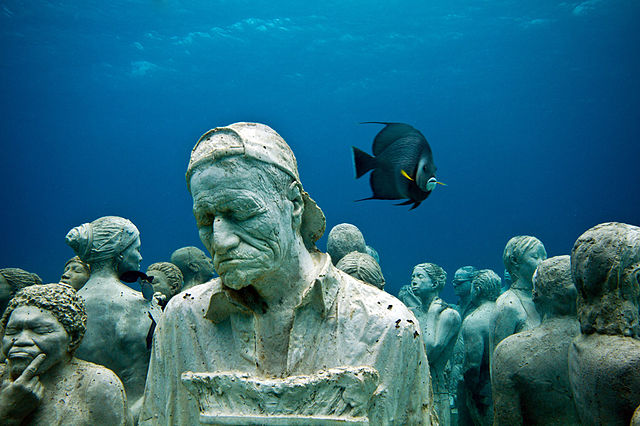
A truly unique spectacle, the sculpture gardens of Grenada are a wonderful sight and can be seen by divers, those in glass bottom boats and those snorkeling. Underwater sculptures by the artist include a circle of children holding hands, a person sitting at a desk using a typewriter and a table with a bowl of fruit and vase. Designed by British artist Jason De Caires Taylor, there are a total of 65 sculptures anchored to the seafloor creating a strange underwater gallery. It is fascinating to see the coral growth around the sculptures and how the marine wildlife has incorporated it into their habitat.
Tobago Cays
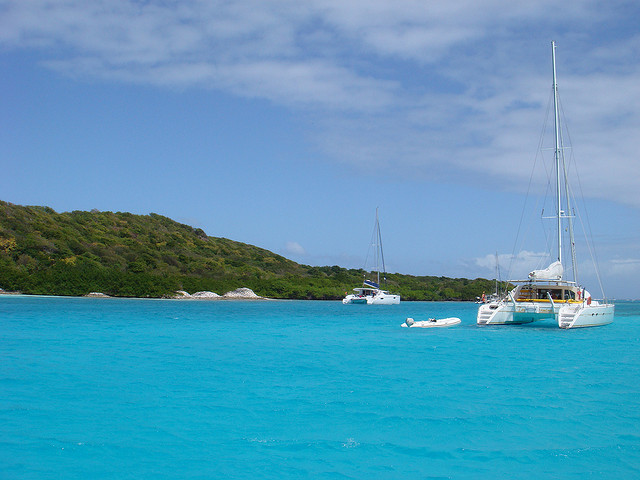
Accessible only by boat, the Cays are entirely uninhabited by people to the extent that it is forbidden by law to build structures there in an attempt to preserve the wildlife. Since the introduction of the marine park an abundance of marine creatures have made it their home. Allowing visitors to snorkel with turtles, eagle rays and a multitude of reef fish, Taboo Cays is renowned for being one of the best places for snorkeling in the Caribbean.
Central American City Travel Guide
Central America is renowned for many things: its volcanic activity; its wildlife; its beaches; its Maya ruins and its sunshine.
But as a city break destination?
However, in my opinion, no Central American holiday is complete without experiencing the hustle and bustle of its urban centres.
Central American experts TrekAmerica are obviously of that opinion too because its tours take in many of the best cities in the region, including Antigua, Leon, Granada and San Jose. Here’s a guide to why these should feature on your Central American too.
Antigua, Guatemala
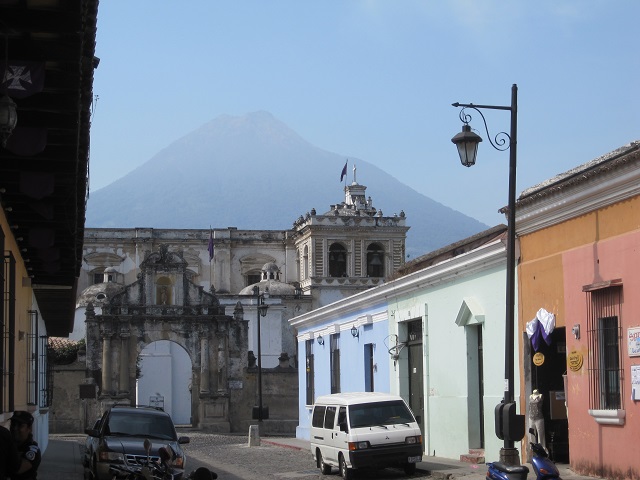
Nestled in the central highlands of Guatemala is the city of Antigua. Although it isn’t the capital of the country, Antigua is much more tourist friendly than Guatemala City and has plenty to keep any visitor interested for the duration of a short stay.
Even before we get onto the business of its Unesco World Heritage centre, one of Antigua’s biggest draws is the simply stunning backdrop formed by the triumvirate of volcanoes de Agua, de Fuego and Acatenango. The contrast between the small buildings and these mighty peaks is breathtaking, and a stark reminder that for many of the residents of Central America, the threat of an eruption is always hanging over them.
In town itself, you’ll find ancient ruins, pretty churches and chocolate makers, as well as a number of museums worth a look.
Leon, Nicaragua
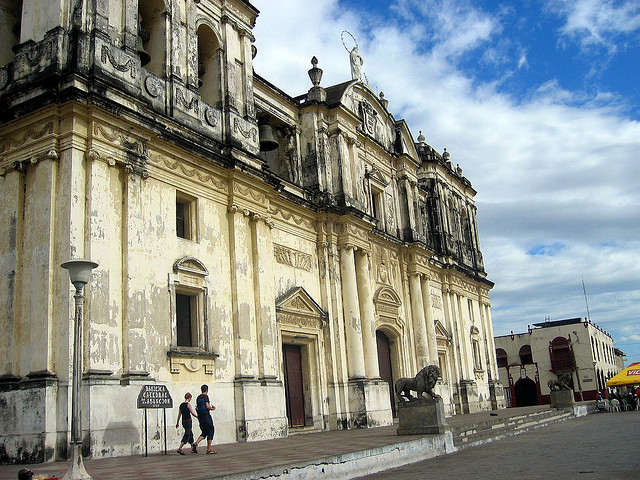
Assuming most people know more about the Luc Besson film than Nicaragua’s second largest city, Leon is a city of 175,000 people situated in the far west of the country, just 18km from the Pacific Ocean.
Leon’s main draw is its Spanish colonial architecture, with a number of spectacular and colourful examples of 18th century design dotted around the city.
One of the most impressive is the Unesco World Heritage Cathedral of the Assumption, which was completed in 1814 and remains Central America’s largest.
Granada, Nicaragua
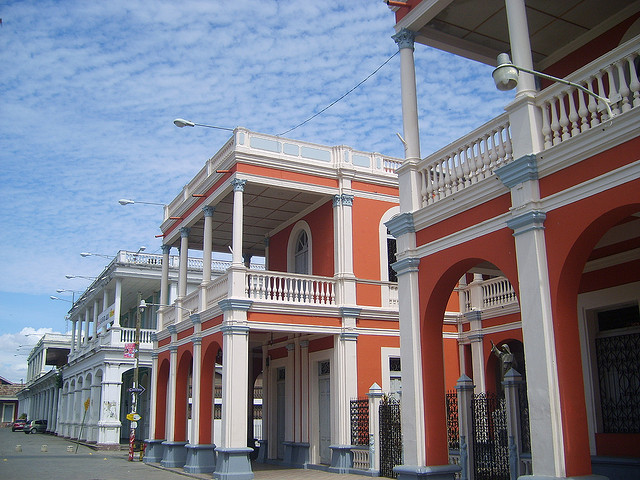
Further south, on the coast of the mighty Lake Nicaragua, is the city of Granada, reputedly the first European city in mainland America.
Established in 1524 by Francisco Hernández de Córdoba, Granada, like Leon, has many wonderful examples of colonial architecture – its colourful buildings reminiscent of Havana in Cuba.
And of course, it makes the perfect base for exploring what the largest lake in Central America has to offer.
San Jose, Costa Rica
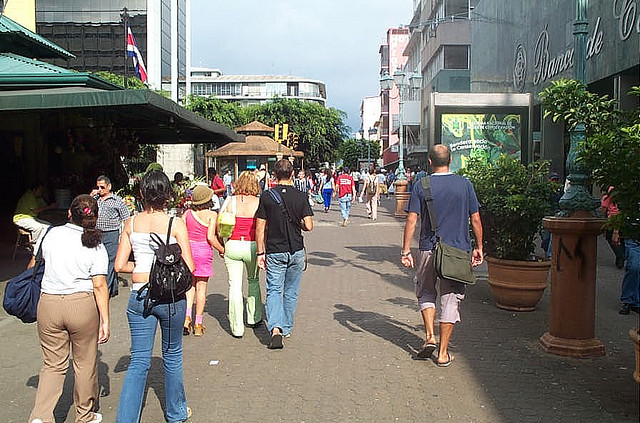
As the capital city of Costa Rica, San Jose unsurprisingly has much to offer tourists, packed as it is with museums, restaurants and bars.
Visit the National Museum of Costa Rica housed in a spectacular ochre-coloured fortress bearing scars of the civil war in 1948, which led to the abolishment of the country’s military, or check out a performance at the National Theatre.
There are also a number of parks to explore and a zoo, if the weather is good. The biggest park is La Sabana, which has been nicknamed ‘the lungs of the city’. As well as plenty of green space to enjoy, it is also home to Costa Rica’s national stadium and art museum.
San Jose is a great place to end your Central American tour if you’re not planning on visiting Panama, as it has its own international airport, allowing you to catch a flight to the USA for connections to Europe.
We hope this Central American City Travel Guide was a bit insightful, and there are plenty more great cities in the region to explore, these are just great home bases for further exploration!
How to Save Money for Traveling!

When it comes to traveling, many people don’t think of it as something feasible because it’s, “too expensive!”. Yes, of course, if you want to go to Monte Carlo in the middle of summer, you’ll probably be spending some serious loot, but for the majority of destinations, there are always quality budget accommodations, things to do that aren’t expensive etc. This means while you have a million options for destinations to visit, you will still need to save up some money before shipping out. Here are 3 great ways to save money for traveling!
1. Start paying for things in cash and hoard that change!
While you can definitely rack up some rewards and cash back if you’re using a credit card, many people are pretty wary of doing so. A great way to save money for traveling (or anything for that matter), is pay for things in cold hard cash, and any coins you receive for change, store them in a jar or somewhere else that you just won’t lose it. You’ll be surprised how quickly you’ll start saving some serious dough. Some banks like TD Bank offer free change cashing for either direct deposit to your bank account or right back into bills.
2. Rent out your place for the duration of your trip
There has been a big movement in recent years against the hotel industries inflating prices, and that revolution starts at home, literally! There are a few popular websites like AirBnB.com, VacationRentals.com and Wimdu.com that allow people to upload their homes, apts, condos, etc. to rent to travelers. It’s an attractive offer for travelers because if you like to cook, have a family, etc. you can get way more bang for your buck. And hey, isn’t it more fun to get to check out how real locals live anyway? You can rent out your home while you’re gone, and even use the service when you travel and save a lot of money, hell you might even make some! Another good tip is to forego taking a taxi to the airport after you lock up someone renting your spot. If you’re going away for a few days, it’s cheaper just to park at the airport. Do a Google search for airparks discount codes as well to score some more savings as well!
3. Sell off all your old CDs, DVDs and video games
Let’s be real, when is the last time you really listened to a CD? Yea maybe you still use it in your car here and there, but chances are you have an AUX jack you plug in your ipod or mp3 player with. Still playing Mariokart 64 or Halo 1? Didn’t think so. While you probably won’t make a fortune selling off all your old forms of entertainment, there are some good, easy options on the web that will buy back all your old media like Music Magpie (see here). Hey, nothing like cleaning out your old crap and getting paid for it at the same time right?


 Welcome to Home Town Travel Guides.com , your source for travel guides written by locals and those who've been there and done that! ~Jeremy