
Author Archives: Jeremy Albelda
Driving around Ireland’s history
If you think that a trip to Dublin Castle is where history begins and ends on a holiday to Ireland then think again. Those who decide to hire a car and explore a little further outside the city will find that there are a lot of historic sites of interest.
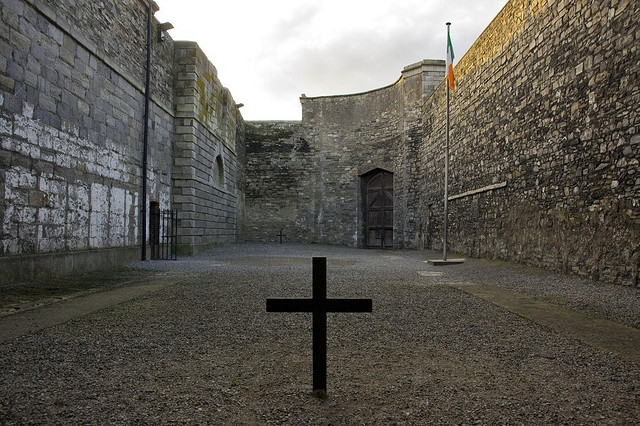
Kilmainham Gaol
Take Kilmainham Gaol for example. It is just a short three-and-a-half kilometre drive from Dublin and has plenty of secrets waiting to be unearthed. It was used as a prison up until the 1920s, but today is one of the biggest unoccupied jails anywhere in Europe.
This notorious site has seen some heroic and tragic events in its history and tells the story of a side of Ireland and how it became the nation it is today. Visitors can learn about the political prisoners who were once housed there and how the immense building has now been restored.
Farmleigh House and Estate
Located eight kilometres from the city centre in Phoenix Park is a grand mansion built by Arthur Guinness’ great grandson Edward Cecil Guinness, the first Earl of Iveagh. This eclectic mix of architectural styles is Farmleigh House, accompanied by its charming estate.
It was purchased by the Office of Public Works in 1999 and has since been used to accommodate dignitaries visiting from overseas. Artwork, furnishings and books collected by Guinness for Farmleigh are still present in the house, on loan from the family.
The Victorians and Edwardians, who both had an influence on the estate, had a penchant for ornamental features and the gardens surrounding the house reflect this. Lakeside walks, walled and sunken gardens, as well as an immense variety of plants will greet the visitor.
It is not simply a case of driving up to the house and having a look around, as it is still in use, but guided tours can be arranged in advance or upon arrival.
Rathfarnham Castle
More like a fortified country house than a castle, but still complete with impressive flanker towers, Rathfarnham Castle is an interesting place to visit. It is an easy drive away from Dublin, not far from the village of Rathfarnham.
Originally built in the Elizabethan period for Archbishop Adam Loftus, who was involved in the establishment of Trinity College, it was extensively remodelled towards the end of the 18th century. This process was undertaken with input from world-renowned architects of the day including Sir William Chambers and James ‘Athenian’ Stuart.
Enjoy finding out more about social history with a visit to the castle, which is home to the Berkley Costume and Toy Collection. The toys, dolls and clothes date back to the 18th and 19th centuries and were originally amassed by Countess Ann Griffin Bernstorff, an artist and collector.
The War Memorial Gardens
For those more interested in modern history a visit to the War Memorial Gardens on South Circular Road is a must. The formal planting reflects the sombre duty to remember the 49,400 Irish soldiers who were killed between 1914 and 1918 in the First World War.
Designed by Sir Edward Lutyens there is a sunken rose garden, herbaceous borders and avenues of trees, making it a beautiful as well as interesting place to visit. Granite book rooms have also been built on the site to house manuscripts containing the names of all those Irishmen who died.
These have been intricately illustrated by Harry Clarke and provide a poignant focal point to any visit.
Why visit Croatia?
Croatia is increasingly becoming a popular holiday destination with families and solo travellers alike. But what is it that is drawing ever growing numbers of Brits to this part of Europe? Read on to find out what the allure is.
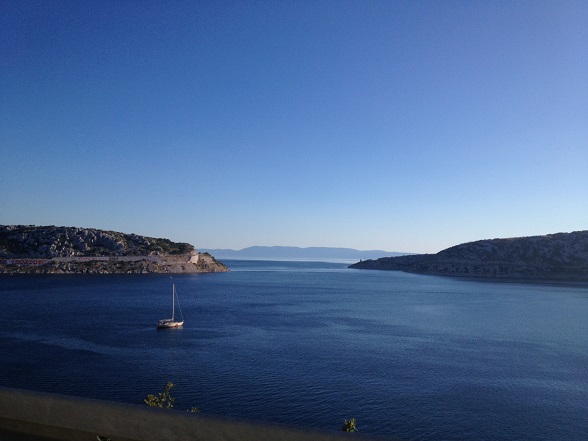
Stunning coastline
With over a thousand miles of coastline on the Adriatic and plenty of islands to visit, Croatia is a great sun and sea destination. It is easy to travel between these coastal areas in order to get a bit of variety. With crystal clear sea and picturesque coves, what more could you want?
Moderate temperatures
The sea helps to moderate temperatures in Croatia throughout the year, meaning that winters do not get too cold and summers are not excruciatingly hot. In the summer months Dubrovnik experiences minimums of 14 degrees Celsius and highs of 28.
Natural beauty
Two stunning places to visit in order to see the best of Croatia’s natural beauty are the Plitvice Lakes and the Krka National Park. The former is situated close to the border with Bosnia and Herzegovina with a backdrop of karst mountains.
Here you will find 16 interconnected lakes of the most stunning turquoise colour that will take your breath away. It is a wonderful place to spend the day meandering through the countryside and enjoying the scenery.
Meanwhile the Krka National Park also has a series of lakes and waterfalls, the most famous of which is Skradinski buk, where visitors can swim at its base. This is a great way to cool off after an afternoon walking on the park’s trails, so do not forget your swimwear.
Stone towns and cities
The towns and cities of Croatia are characterised through buildings created out of a pile stone that glows slightly yellow in the sun. Add to this the traditional terracotta roofs and many of these settlements look particularly picturesque.
Approaching towns on the islands from the sea often gives a good first introduction to these places, where churches are usually the dominating feature.
Nowhere is this view more apparent in Dubrovnik, with its incredible buildings and complete set of walls. The old town is often a highlight of many trips to Croatia and walking the entirety of its defences a must-do activity.
From here you can look in towards the sea of terracotta tiles or out to the shimmering waves. Break up the walk with a drink at one of the bars set into the cliffs with a view of the Adriatic.
The cuisine
Croatian food is very much influenced by its proximity to both the sea and Italy, which lies across the expanse of water. The former means that sardines, squid, lobster and shellfish are all in abundance along the coast. Make the most of this by sampling the catch of the day cooked up in the simplest way possible.
From Italy, Croatia has developed a love of pasta and it is made fresh with an assortment of fillings and sauces. These often vary depending on which region you are visiting. Those spending time between more than one place will get the opportunity to taste the difference firsthand.
A thriving capital
Despite the lure of the coast, Croatia’s inland capital, Zagreb still has a lot to offer visitors. There are galleries and museums, top-class restaurants and buzzing bars. Impressive Austro-Hungarian buildings tower over wide squares, while beer halls quench the thirst of the masses.
These are just a few great reasons why to visit Croatia, the list is endless!
Top Things to do in Barcelona with Kids!
The top things to do in Barcelona can also guarantee a fun vacation for you and your young ones. Thanks to the 92 Olympics, Barcelona has made its way to the tourism radar. Since then, neighborhoods have been renovated and efforts have been made to transform this quiet city into a posh tourist destination (just check out some of the luxurious hotels on Splendia and you’ll see for yourself) that combines the old and the new.
But if you think Barcelona has no place for children to have fun, this list of top things to do in Barcelona with kids will prove you wrong. As a matter of fact, Spain makes it one of their top priorities to keep kids happy and the locals will do anything to bring back that smile on your little one’s face if he or she looks bored or unhappy.
So if you’re travelling with kids to Barcelona and are worried that you won’t find any child-friendly attractions, then let this list be your guide.
After-dark fun for kids. Think fun activities for kids in Barcelona are limited to day tours in parks and zoos? There’s also something your little ones can look forward to at night. The Font Magica is a musical show which features water fountains and coloured lights, a spectacle worth looking forward to at night. Located just between the Plaza Espanya and Palau Nacional, this fountain which was built in 1929 has been a tourist attraction in Barcelona for a long time. The light and water show runs every 30 minutes with 15 minute breaks in between.
Go to amusement parks. One of the top things to do in Barcelona for kids is enjoy a day in one of the amusement parks in the city. Two of the most popular are the Tibidado Amusement Park and Bubbleparc. The picturesque Tibidado Amusement Park is located in Tibidado Hill and has a pirate area, a castle and numerous modern and old-fashioned rides kids young and old will certainly enjoy.
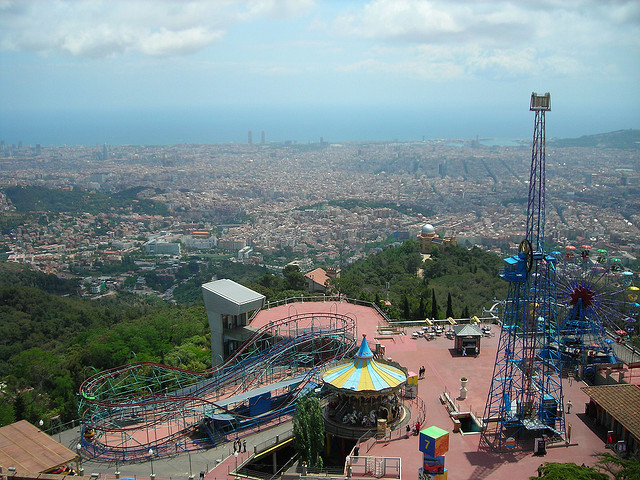
The Bubbleparc, on the other hand, has a reverse bungy, and a giant bubble where kids can enjoy the experience of floating on water.
Enjoy a day in the Poble Espanyol. Sundays in the best day to visit Poble Espanyol, where kids can learn a thing or two about different crafts and enjoy various family shows. The mock village hosts kids workshops and family shows. There are also art galleries and restaurants where you could enjoy delicious meals with your family. There’s also a treasure hunt game wherein your kids will solve mysteries and look for clues to get prizes!
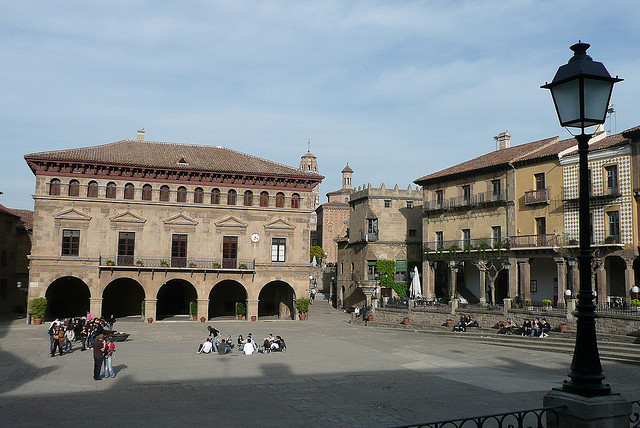
These are just a few great things to do with your kids in Barcelona, if it’s summer time, don’t forget about the amazing beach right in front of the city!
A trip to Malta for a holiday or an English course
The European island archipelago of Malta in the Mediterranean Sea is attractive to both travelers and language learners alike and its rich culture, colonial history and pre-history and consistently pleasant climate ensure that you’ll never be short of something to see, do or explore here.
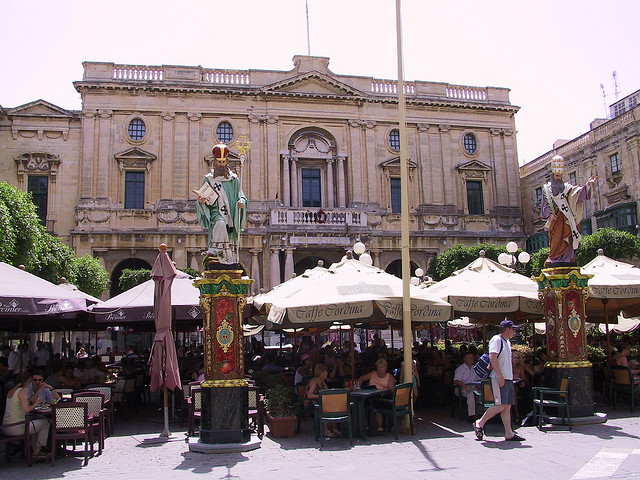
Malta is host to some of the Mediterranean’s most attractive beaches and lagoons and the varied nature of these beauty spots allow you to spend a day on a touristy beach mixing with fellow holiday-makers and locals alike, followed by a day in a secluded bay enjoying some peace and quiet. The more popular, busier beaches offer a wide range of water sports so a day in the sun needn’t consist purely of lying on a sunbed enjoying a good book – although if this is your idea of a relaxing holiday, then Malta’s warm summer and relaxed atmosphere will appeal to you! The crystal-clear, turquoise waters which surround the island make it a perfect base for scuba diving and offer an opportunity to explore the island’s diverse marine life as well as underwater caves, reefs and wrecks.
Inland, there is much evidence of Malta’s fascinating and varied history to be explored. A number of archaeological sites offer a glimpse into life on the island over 5000 years ago and much of Malta’s colonial past is still evident in the architecture, best seen on a lazy stroll through the island’s narrow streets.
For travelers who want more from their trip than a sun tan and a cultural education, Malta is a great place to enroll on an English course. As a bilingual island there are numerous opportunities to practice your language skills outside of the classroom – a trip to one of the many village markets, for example, allows you to indulge in a spot of bargain-hunting as well as striking up a conversation with the locals. One of Malta’s restaurants which offer fabulous, fresh seafood or its several bars and nightclubs give you the chance to let your hair down and make new friends – all the while speaking English of course!


 Welcome to Home Town Travel Guides.com , your source for travel guides written by locals and those who've been there and done that! ~Jeremy