
Author Archives: Jeremy Albelda
A guide to the top beaches in Karnataka
India’s home to some pretty spectacular beaches, but I think it’s fair to say that Goa is the destination that usually springs to mind when you mention beach breaks here. But there are plenty more options, including Kerala and Karnataka, and today I’m going to be focusing on the latter.
Now, whether you’re drawn to the idea of a relaxing beach holiday or you simply fancy having the option to hit the sand occasionally, location is all-important. I think that if you’re keen to find the perfect spot booking through a specialist tour operator (like TransIndus) is the best way to go, since they’ll be able to offer you expert advice that is hard to get at a more general travel agency.
Plus, doing so also gives you the freedom to pick from a selection of existing itineraries, group tours and trips tailor-made just for you. But, I’m not here to talk about holiday planning today, so let’s move on and take a look at some of the best beaches to visit in Karnataka.
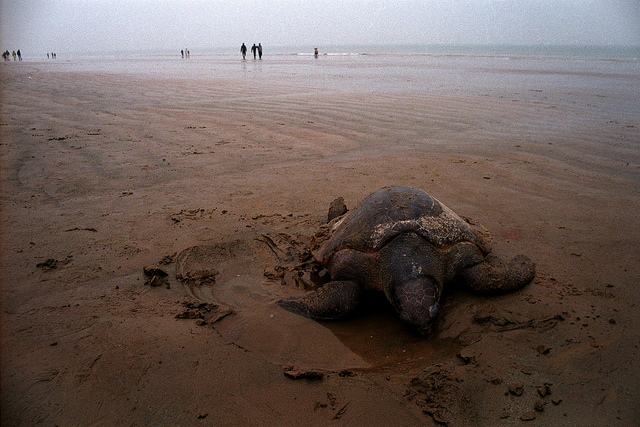
Om Beach
Located just outside Gokarna is the lovely Om Beach, which is particularly charming thanks to its shape. You see, it’s formed of two semicircular coves that form an inverted Hindu symbol known as an om – and it’s this from which it takes its name.
This lovely beach is more than just a pretty face, though, since it’s a popular centre for water sports. So, if you want to do more than laze on the sand all day, this is bound to be the place for you. Water skiing, surfing and parasailing are just a few of the things you’ll be able to try.
Gokarna Beach
Also in Gokarna is Gokarna Beach, which is a little off the beaten tourist track. Thanks to its position near lots of local temples, it’s actually somewhere that’s more popular among pilgrims than tourists – though that’s not to say it’s not worth visiting. In fact, if you’re after somewhere that’s free of swathes of holidaymakers, this is a pretty reliable place to choose.
Murudeshwar Beach
Next up is Murudeshwar Beach, which is one of Karnataka’s best-loved stretches of sand. Like Gokarna Beach, it’s quite popular among pilgrims thanks to its proximity to a local temple (this one’s a pretty major pilgrimage site, which has helped make the beach as well-frequented as it is today), but it’s an equally big hit with holidaymakers.
Generally speaking it’s a decent spot for swimming, but I should warn you that the currents here can be strong from time to time – especially at high tide – so always check the conditions on the day and keep your eyes peeled for any warning signs.
Kaup Beach
If it’s a pristine, idyllic beach you’re after, Kaup is likely to impress. This unspoilt part of the coastline is around 12 km from Udupi (which is famous for the Krishna Temple) and is well known for its historic lighthouse.
This dates back to 1901 and opens to the public at select times of the day. Going inside is a nice way to add a little variety to your day, as well as sprinkle some culture into your beach break.
Maravanthe Beach
Last on my list is Maravanthe Beach, which is a prime destination if you like the sound of a little adventure below the waves. You see, this is one of the top local destinations for scuba diving and snorkelling, and the icing on the cake is that it’s wonderfully scenic.
In fact, it’s pretty impressive before you even get there – if you’re coming by road you get a great view on the approach, which includes the Kodachadri Hills and the Arabian Sea.
There you have it, some of the best beaches in India not to miss!
A guide to dressing for the different conditions on the Inca Trail
Although the Inca Trail in Peru isn’t a particularly long trek (typically it takes four days to complete), you’ll experience varied conditions along the route. This means you need to be well prepared for your hike and make sure you pack appropriately.
We’re going to give you a brief rundown of the different weather you’re likely to encounter while on the Inca Trail, as well as make packing recommendations. If you’d like to know more about what you’ll see along the way, check out Walks Worldwide for detailed itineraries.
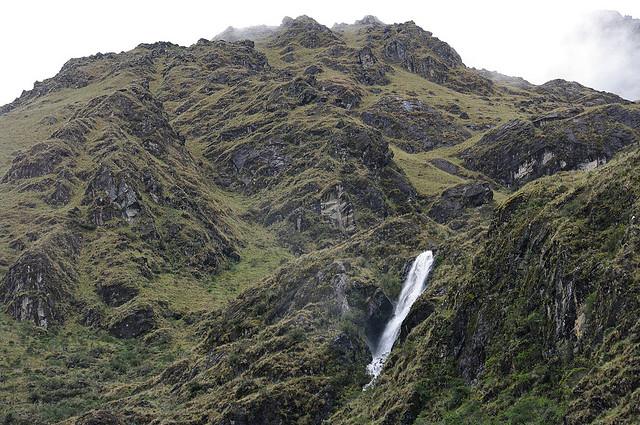
Weather on the Inca Trail
The main season for trekking the Inca Trail is from April to October, as these are the driest months. It’s still possible to hike during November and December, but these tend to be wetter and also warmer.
Even if you travel between April and October, you shouldn’t expect the rain to hold off – it is not uncommon to encounter wet weather at any time of the year in the Andes, so make sure you’ve got waterproofs in your luggage.
One of the other important things to remember is that temperatures vary widely between the day and night. Once the sun goes down the temperature can drop to below freezing, while during the day it can be warm and humid. This means you need to be prepared for a variety of conditions.
Essential items to pack
No matter where in the world you are trekking, one of the most important things to have is a pair of comfortable, well worn hiking boots. Knowing that your shoes won’t give you blisters or cause you pain when you’re walking for long hours over the course of several days is a godsend.
Of course, it never hurts to take blister plasters in your daypack just in case, but wearing shoes that fit you and that you’ve hiked in before is the most important thing. Thick, good quality walking socks are another item you’ll want to bring. It’s worth taking spare pairs with you in case your feet get wet and you need to change your socks.
Waterproofs are another essential – a poncho that you can throw on quickly if you get caught in an unexpected downpour is a good addition to your daypack, while taking a breathable waterproof coat is also a sensible idea.
In terms of clothes, the key is layers to allow you to effectively regulate your temperature. Peru has some of the most variable weather in South America. Choose garments in a moisture-wicking fabric to wear against your skin and pack thermals for the evenings. Gloves, scarves and hats are other things you should take – you’ll be glad for them when you’re crossing Dead Woman’s Pass, the highest point on the trek.
Mosquito repellent, rehydration salts, hand sanitiser and wet wipes are just a few of the other things you should have with you at all times.
A word about packing
Although you need enough clothes to keep you dry and warm on your trek, remember that it only lasts for four days. You will be limited to taking 8 kg worth of luggage with you, as this prevents the porters from being overloaded.
If you have more gear than this, you can usually leave the things you don’t need at your hotel in Cusco and collect them once you’ve completed the hike. As an extra precaution from the rain, pack your clothes in plastic bags inside your main backpack to help prevent them from becoming damp.
Family-Friendly Attractions in North Goa
North Goa is a wonderful destination to visit with the whole family, as there are so many great attractions that will appeal to parents and kids alike. Of course, its gorgeous beaches are one of the first things you’ll think of, but there is much more to the state than its coast.
If you’re thinking of planning a family holiday to north Goa, check out our suggestions of places to visit while you’re away. Should you still need to arrange accommodation and other practicalities, visit this website to get an idea of your options.
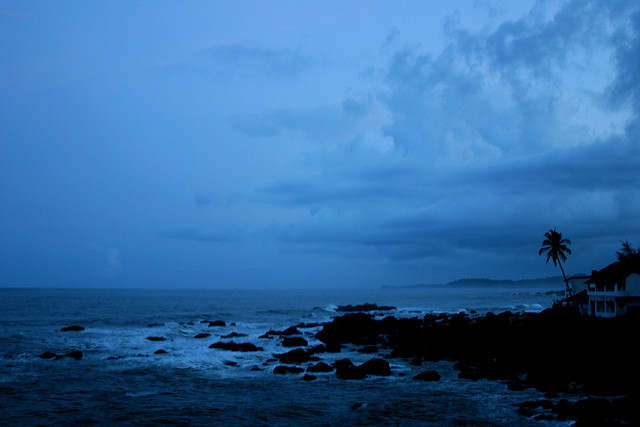
The beaches
You’ll want to spend at least a couple of days enjoying the seaside in Goa, India, as this is what the state is most famous for. There are numerous stretches of sand in the north, with the following a few of the best family-friendly places to head to.
Miramar, close to Goa’s capital Panaji, has plenty of amenities close to the sand, making it a good spot for families. Its location on the edge of the estuary of the River Mandovi means you’ve got an amazing view of the imposing Aguada Fort, which stands on a headland, as well as access to the calm waters of the Arabian Sea.
Sinquerim Beach is another great place for families to visit, especially if you have older children who will enjoy a few water-based activities. Parasailing, windsurfing and water skiing are among the sports you can have a go at if you’re feeling adventurous.
The broad sweep of sand is also great for little ones who just want to build sandcastles and paddle in the sea, while parents can grab refreshments from the various beach shacks and restaurants that run along the bay.
Bhagwan Mahaveer Sanctuary and Mollem National Park
Goa is home to some truly fascinating wildlife and this is something that’s bound to capture the imaginations of your children. Pay a visit to the Bhagwan Mahaveer Sanctuary and Mollem National Park and you could spot the likes of Bengal tigers, porcupines, sambars, flying squirrels, bonnet macaques, Indian rock pythons, greater Indian hornbills and kingfishers.
This is just a brief overview of the creatures that inhabit the reserve, which is located to the north of Panaji. As well as the amazing wildlife, you can also visit the Dudhsagar Waterfall, which is the highest in Goa. The water tumbles down a cliff in the Western Ghats, throwing up clouds of white mist that make it look quite magical.
Go on a dolphin-watching tour
The waters off the coast of Goa’s beaches are just as full of life as its forests, with dolphin watching one of the most popular activities on offer. Book your family on a boat tour and you’ll head out from the beach in search of these playful marine mammals.
You can easily join one of these trips from north Goan beaches such as Calangute, Candolim, Baga and Sinquerim – although be prepared for the fact that many of the tours depart in the early morning to give you the best chance of seeing the dolphins.
Visit a spice plantation
An educational, but fun, thing to do in Goa is to visit one of the spice plantations. This is an excellent opportunity to show your children where food and flavourings come from, with many of these sites growing produce such as pineapples, coconuts, cashew nuts, chillies, cloves, cinnamon and pepper.
Typically, a spice plantation tour will involve wandering among the various plants with a guide who can tell you what everything is, followed by a traditional meal cooked using fresh ingredients from the plantation.
Most popular attractions in Antigua
The small Caribbean island of Antigua lies near the centre of the Caribbean chain sandwiched between St Kitts and Nevis, Montserrat and Guadeloupe. Once an important station for the British Navy it has many historical and cultural attractions, as well as the natural ones such as beaches, rainforests and reefs. There’s plenty of special offers in Antigua to make the most of, and once there, here’s a list of the most popular attractions in Antigua.
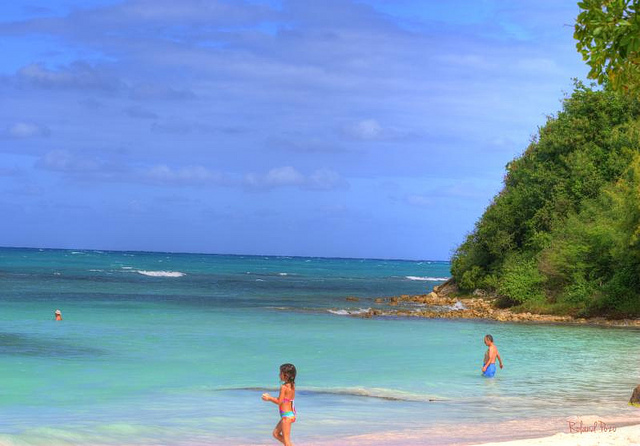
The beaches
Antigua is home to 365 beaches, one for each day of the year. Some are perfect for lazing on the sugar white sand, others are better for activities including snorkelling and windsurfing or walks and romantic picnics. Some of the best are the five secluded Hawksbill Beaches, quieter than the popular Dickenson Bay, but still with plenty of facilities. They are ideal for swimming or snorkelling on the reefs further out. From here you can also take a boat out the uninhabited Prickly Pear Island.
Nelson’s Dockyard and English Harbour
Other than its beaches one of the most famous attraction on the island is Nelson’s Dockyard and English Harbour – a UNESCO World Heritage Site, and shadow of British Navy’s influence in Antigua. In the middle stands the restored Georgian naval dockyard once the home of the British fleet during the Napoleonic Wars. The Dockyard Museum is well worth a look to learn about the history of the area.
The rainforest
While the exterior of the island is full of idyllic beaches, old English forts and naval bases, the interior is filled with lush emerald green rainforest, home to many types of birdlife. The best way to see the interior is on a hike or nature trail, of which there are many around the island. Another great way is to go on a rainforest zipline canopy tour over the treetops.
Devil’s Bridge
Situated on the island’s northeastern point, Devil’s Bridge sits within one of the island’s four national parks – Indian Town Point. Devil’s Bridge is a natural rock bridge which was created by waves and surf pounding it over centuries and provides a spectacular sight surrounded by blowholes and wild surf. There are many hiking trails nearby, as well as excellent picnic spots. One of the best is to Long Bay, which is also great for snorkelling.
The reef
It’s not only the island that has attractions here though as the views under the waves are just as popular. A trip to Antigua can’t be complete without a spot of snorkelling or diving to see them. There are four main types of coral reefs around the island – barrier, bank barrier, patch and fringing, which are home to a vast array of species, from sea turtles to clown and angel fish, manta rays, lobsters and lionfish. The reds, oranges and purples of the coral gardens can be viewed both snorkelling right off the beaches or on an organised scuba trip further out. One of the best places for snorkelling and diving is the Cades Reef on the southwestern part of the island.


 Welcome to Home Town Travel Guides.com , your source for travel guides written by locals and those who've been there and done that! ~Jeremy