
Monthly Archives: May 2013
Natural Bristol!
Bristol is a grand city made famous by its rich history as a port and trading hub. It is widely known that in 1837 Bristol born engineer Isambard Kingdom Brunel launched the famous Great Western steamship that was built in the city’s harbour. But as with many other cities, these famous tales often overshadow things that might otherwise take prominence. For example, as well as being a historic and creative city, Bristol has an array of natural attractions including parks, zoos, aquariums, botanical gardens and more. Check out some of these enjoyable nature activities in Bristol!
University of Bristol Botanical Gardens

The University of Bristol’s botanical gardens were opened in 1882 by Adolf Leipner – the Lecturer of Botany at the time – for a mere £15. Since then the gardens have seen many thousands of visitors every year and continue to thrive. With four impressive plant collections and a further four greenhouses filled with tropical and sub-tropical plants, there is no shortage of interesting things to see. Opening times from April – September are from 10:00am – 4:30pm and it costs £3.50 to get in at the time of writing. School age kids go free.
Avon Valley Adventure and Wildlife Park
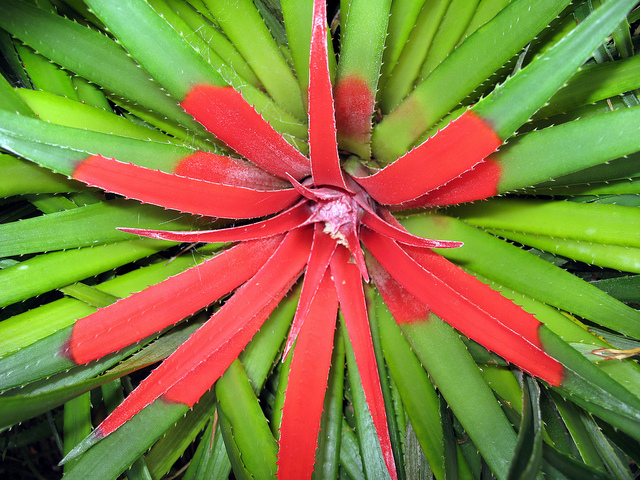
Avon Valley is the perfect place to take the kids during the summer holiday, as there are plenty of attractions and events to fill a whole day (perhaps even two). Attractions include a huge indoor soft play arena, pet’s corner, quad bikes and boat rides. One of the park’s great selling points is that it gets the kids out in the fresh air and away from the television. The main park is open from the 23rd March (opening times are 10:00am – 6:00pm, Mon – Sun). It costs £8.00 for an adult and £7.50 for concessions and children. Kids under 2 go free.
Bristol Aquarium
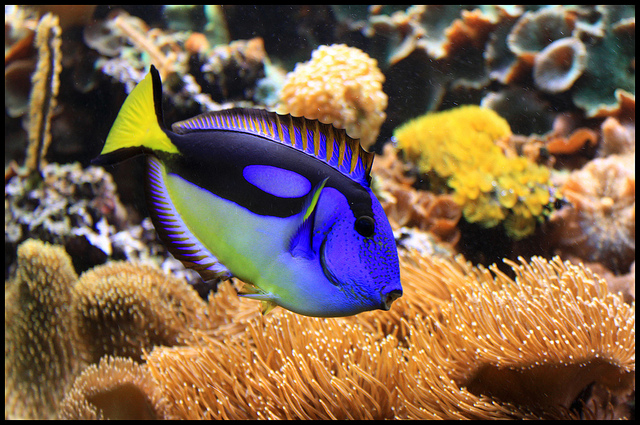
The Bristol Aquarium is home to a wide array of sea life including sharks, rays and a multitude of species that are native to the UK. As if the resident giant octopus wasn’t enough, there is also an underwater tunnel constructed with 2 inch thick glass which houses puffer fish, butterfly fish and wrasse among others. The aquarium opens 7 days a week from 10am – 5pm and a one day adult ticket costs £13.00. Child tickets are £9.00, Senior and Student tickets are £12.00 and family tickets are available for £38.50 (2 adults & 2 children)
If you’re looking for a Bristol hotel, consider staying somewhere quite central, as the city itself is quite big and can be difficult to navigate if you don’t have a car. The Bristol Mercure is very conveniently placed and has the added benefit of a spa to rest your weary body after a day of exploration.
If you haven’t yet, check out our Bristol Travel Guide as well for even more great things to do!
Travel Tip of The Week: Importance of Having a Credit Card for Traveling
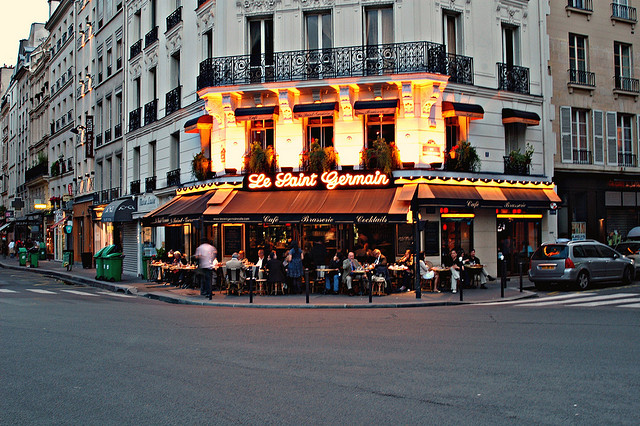
While some people might be wary of any type of credit card post the economic crisis a few years ago, having a credit card for traveling is really a necessity this day in age, and something that can offer you financial protection, options for payment and save you money on the road. Read on to see why!
1. So you can rent a car!
When you’re traveling, and especially abroad, there isn’t going to be much holding you accountable to contracts (ya sounds good, right?). You don’t live there and can always just leave and never come back, so why would a car rental company let you take one of their vehicles without some sort of collateral or assurance you can cover the cost of wrecking? With a credit card, they can always charge you if you happen to crash or at least put in a claim which will negatively affect your credit if you don’t pay. Having credit is a way to show that you are responsible and let you rent vehicles, and not to mention many hotels require them as well!
2. So you can avoid ATM charges.
No one likes having to take out cash all the time while traveling because of the big ATM fees that not only the machine charges, but also your bank at home. Thankfully, most countries in Europe and around the world accept credit cards almost everywhere now, and there are some credit cards without foreign transaction fees or currency exchange fees so you can use it just like at home and avoid the ATM as much as possible. Just do a search online to compare credit cards that are best for traveling to make sure you find one that that is available from your home country and that you will qualify for.
3. So you can earn rewards
If you have to spend money anyways, why not use a credit card with rewards to earn points or money for your next big trip! Many credit cards offer either point or cash back systems. If you’re using a point system, you might be able to earn more for flights or hotels, but with cash back, you are a bit more flexible to do whatever you want with your rewards. Don’t forget to use your credit card while traveling for fraud protection and of course to earn a few more of those nice rewards! Just don’t forget to call and set up a travel notification before you leave.
These are just a few reasons why having a credit card while traveling is both important and beneficial. Feel free to comment below if you have any other tips!
Cool Things Compliments of The Philippines!
This archipelago on the Southeast portion of Asia, composed of more than 7000 islands is known for a lot of things, such as the world renowned Tubbataha Reef, the tasty dish adobo, the poker game with a twist called pusoy, and the most popular is the picturesque waters of Boracay.
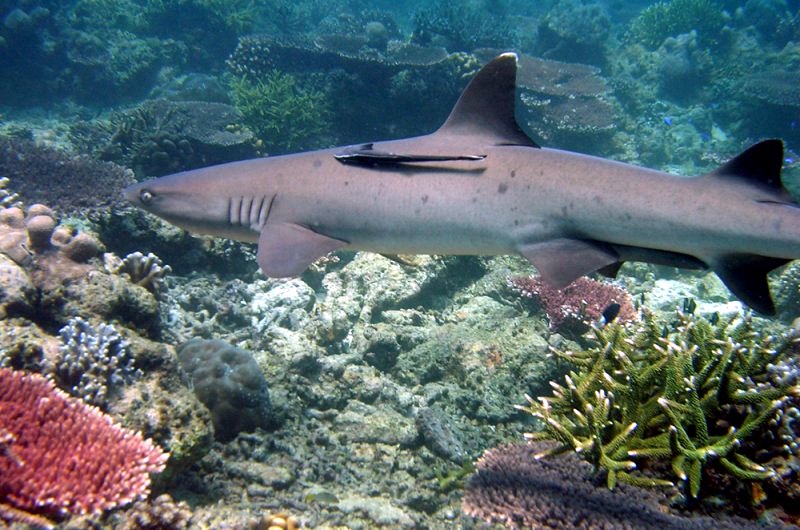
The Tubbataha Reef is a natural wonder in itself. Located in the Sulu Sea, there “lies an underwater nature reserve that is considered both as a mecca for scuba divers and model for coral reef conservation,” as described by the reef’s website TubbatahaReef.org. Not only is the reef an ideal location due to its beauty, but it also boasts of a rich marine biodiversity. According to the same website, there are “600 species of fish, 360 species of corals (about half of all coral species in the world), 11 species of sharks, 13 species of dolphins & whales, 100 species of birds, and also nesting Hawksbill & Green sea turtles.”
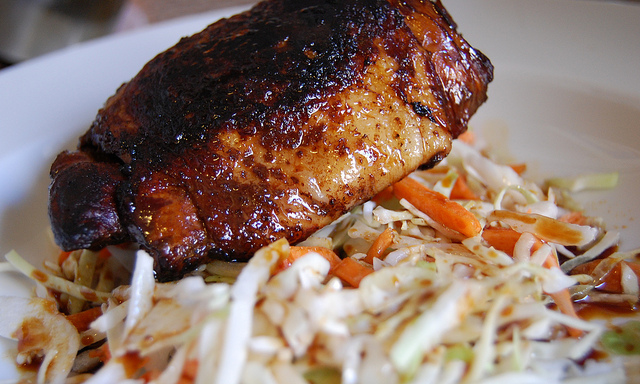
The delicious dish adobo, on the other hand, is unique because the marinade (of garlic and vinegar) used in the meat will also serve as its sauce. It’s quite an easy dish to make; you even have the option of using pork, chicken, or tofu. Marinate your choice of meat for about a couple of hours. Heat some oil in a saucepan, then cook the garlic (from your marinade) on it until brown. Stir-fry the meat, and after that add the rest of the marinade and some bay leaf. Let it simmer for a few minutes, then serve with steamed rice.
Meanwhile, the Filipinos are known as a creative bunch—so creative, in fact, that they managed to twist the traditional poker game into a variant called pusoy. Sure, we’re used to the customary poker weekend, or participating in online tournament, so maybe after learning the rudiments of this local card game we can squeeze in a round or two of it just to deviate and avoid boredom. So, how is this played? BicycleCards tells us the basics. The goal is to get two or three winning hands out of the dealt thirteen cards. “To win the bet, two out of three of a player’s hands must beat the three hands of the dealer. If all three hands beat the dealer’s three hands, the player wins double the bet. If only one hand wins, the player loses the bet. If all three hands lose to the dealer, the player loses double the bet,” as provided by BicycleCards.com.

Boracay is an island in The Philippines that TripAdvisor.com advocated in this way: “As long as you visit during dry season, you’ll agree this is one of the best beach destinations in the world.” By day, the island is the perfect paradise for your getaway—pristine seas, white powdery sands and friendly locals. When night falls, Boracay is the ultimate party place; you can dance or listen to acoustic music all evening. One holiday spent here is never enough.
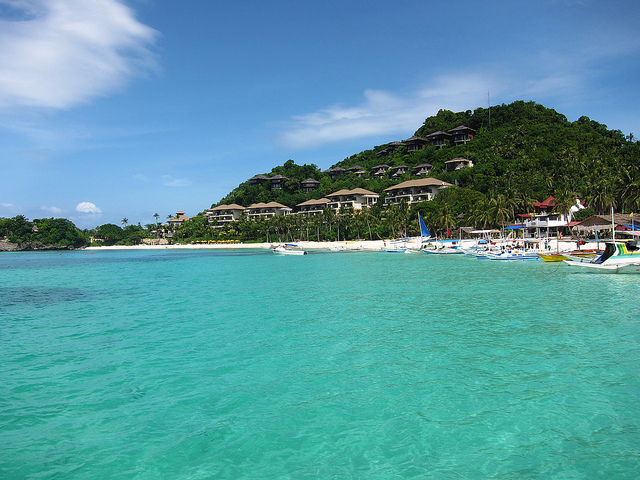
Photo of the Week: The Largest Ship in The Great Lakes
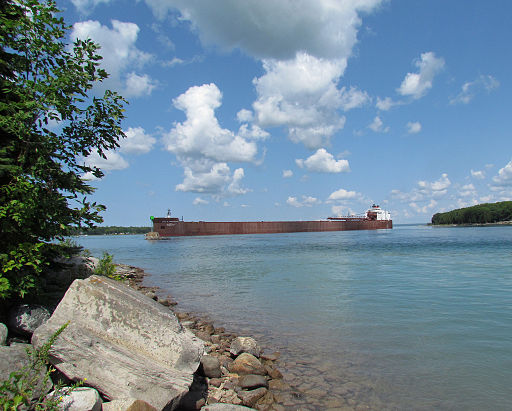
The Great Lakes of North America are massive. While us Americans and Canadians seem to overlook them when we look at the map because we’re so used to seeing them, they in fact take up a ton of real estate. They’re the largest fresh water lakes in the world, and if you were standing in Downtown Chicago looking out across Lake Michigan, you would think it was the ocean as you can’t see across it.
The Great Lakes have played a huge role in building up the Midwest and many of North America’s largest cities reside on them. While the lakes are connected to the Atlantic and Gulf of Mexico, only smaller boats can pass through the lock system. There are actually massive ships that just sail around the great lakes, moving raw materials and cargo around. The largest ship in the great lakes is pictured above, the humongous MV Paul R. Tregurtha. This behemoth was built back in 1979 and is still in service. Its total length is 1,013 ft (309 m), has a depth of 56 ft (17 m) and can haul 14,497 tons of cargo, all while never setting “foot” in an ocean. You might get on fine in a dingy with no training, but you better do a little Google search for “boat license Canada” before getting behind the wheel of something in the Lake Freighter class like the MV Paul R. Tregurtha!


 Welcome to Home Town Travel Guides.com , your source for travel guides written by locals and those who've been there and done that! ~Jeremy